Hearing Aid Solutions

Sukhina Sidhu • December 15, 2024

You may not think that hearing aids have accessories available. Guess what? There are so many to choose from! Hearing aids have all kinds of bits and bobs to go with them; let’s explore some hearing accessories.


Hearing Aid Accessories


TV Streaming Devices


People suffering from hearing loss often turn up the TV until they can hear it. The problem is that the volume they find comfortable is way too loud for people who don’t have hearing troubles.


So instead of constantly dealing with the volume being too quiet or too loud, make it so everyone can be comfortable. TV streaming systems allow each person with hearing aids to set the volume for themselves.


Most systems have a pretty good range too. You do not have to sit right in front of the TV all the time. You can walk away for a bit and still keep your hearing aids connected.


Wireless Transmitting Microphone


Sometimes hearing aids need a boost to give people the best hearing experience. Wireless microphones help send audio directly to a person’s hearing aids and reduce background noise. These devices are beneficial in areas with a lot of background noise, such as:


●    Restaurants or Cafés

●    Small group conversations

●    One-on-one conversations

●    Class lectures

●    Outdoor and indoor activities

●    Watching TV

●    Phone calls

●    Audio/voice from the computer, radio, or other devices


Alarm Clocks


Hearing aid accessory companies have developed alarm clocks for the hearing impaired. Instead of worrying about getting up on time, your alarm clock can do more than ring in the morning. With Bluetooth connectivity, if you sleep with your hearing aids, such as in-the-ear and in-the-canal hearing aids, you can hear your alarm in real-time.

If you don’t sleep with your hearing aids, you can get alarm clocks features that have vibrations, sounds, and lights. The multiple variations of nose and light will help reach through the sleepy fuzz to wake you up.


Accessories to Fit Your Life


There are all kinds of accessories for hearing aids. Some of the accessories work in connection with your hearing aid to help it perform better. Other products do their best to improve the life of your hearing aid. In addition, other accessories use light and vibration to alert you.

Hearing aids are not the bulky things they used to be. There has been many technological advancements, and there will continue to be more breakthroughs making your life more enjoyable.

Please get in touch so we can tell you more!

By Aarti Raicha November 28, 2025
People, you probably just see earwax as something to remove. But its role is crucial: it’s your ear’s natural defence system against foreign particles and bacteria. The problem only happens when this protective barrier eventually dries up and turns into a blockage. Understanding Hardened Earwax Hardened earwax develops when it dries up and becomes firmly lodged, or impacted, inside the ear canal. This impaction isn't just a physical blockage; it can trigger a range of symptoms that severely impact your well-being: A persistent feeling of blocked ears or fullness Tinnitus (a distracting ringing or buzzing) Occasional dizziness or balance issues Noticeable reduction in hearing or muffled hearing . The hardening is often due to factors outside your control, such as age, genetic predisposition, the unique anatomy of your ear canals, or certain past medical events. Gentle Ways to Soften Wax at Home (Exercise Caution) Before seeking professional intervention, you may try softening the wax yourself. However, we must stress that safety and caution are paramount. 1. Medical-Grade Olive Oil Drops Gently warm some medical-grade olive oil (it should feel lukewarm, never hot) and place a few drops in the affected ear. Leave the oil to work for 10–15 minutes, then tilt your head to drain the excess. Repeating this 3–4 times daily for several days can significantly soften the blockage. 2. Over-the-Counter Drops Ask your local chemist for non-prescription drops designed to help break down earwax. If you prefer a ready-made solution, the pharmacist can guide you. The Absolute Rule of Ear Care This is vital: Never insert objects like cotton swabs, hairpins, or rolled-up tissue into your ear canal. These objects do not remove wax; they inevitably push the wax deeper against the eardrum, worsening the impaction and risking serious injury to the delicate inner ear structures. The Experts' Choice: Professional Ear Wax Removal in Ealing When home remedies prove insufficient, or if you are experiencing worrisome symptoms like pain, persistent ringing, or sudden hearing loss, consulting an expert is the safest course of action. Our professional services guarantee safe, accurate, and hygienic removal.
By Aarti Raicha November 21, 2025
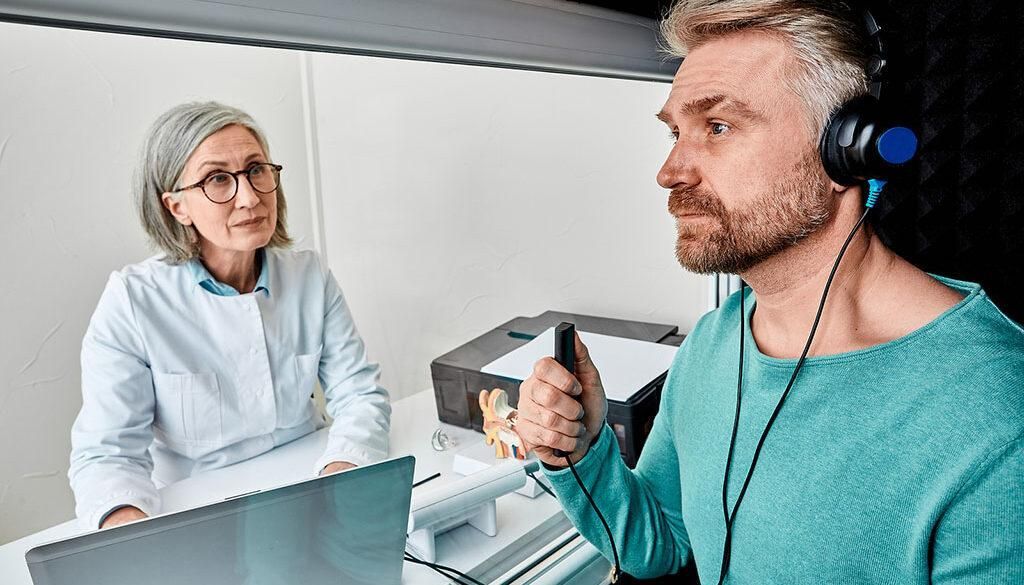
Hearing loss is gradual and often worsens with age. Our philosophy, built over 35 years, is that a simple 'one size fits all' approach will inevitably fail when it comes to effective treatment. As expert audiologists, we understand the vital role excellent hearing plays in your daily life. That's why we provide professional, comprehensive hearing tests in Stanmore and the surrounding community. Our tests help us locate the precise cause of your hearing problem, and from there we deliver the right treatment. Which Type of Hearing Test Do You Need? Hearing tests are essential diagnostic tools that allow us to evaluate the specific type of hearing loss you may have: sensorineural , conductive , or mixed . We will detail these types below. The right approach depends entirely on your individual situation. We use our extensive experience to tailor our assessment to ensure the most accurate diagnosis. 1. Pure Tone Audiometry During this foundational test, you will simply relax in a comfortable, sound-treated room. While you listen through the headphones, we'll ask you to signal every time you hear the various tones or speech. Your response will help us fully understand the pattern and severity of your hearing loss. Bone Conduction: We also use a small device called a bone vibrator placed behind your ear. This sends sound vibrations directly to your inner ear, bypassing the eardrum and ear canal. This step allows us to specifically evaluate how well your cochlea (the part of the inner ear that translates sound into electrical signals for the brain) is working. 2. Impedance Testing (Tympanometry)
By Aarti Raicha October 31, 2025
The hardest part of hidden hearing loss isn’t just missing words. It’s the mental effort your brain spends guessing them. That constant strain can leave you drained after social events. If your social life in Stanmore is starting to feel tiring instead of fun, a simple hearing test might explain why — and make things easier. We often blame hearing changes on getting older. But that’s risky. Your hearing affects your brain and your everyday life. A thorough test in Stanmore isn’t just about volume. It’s about protecting your mind and staying connected with the people and world around you. The Hidden Costs of Waiting Many adults think, “I hear okay most of the time, I’ll wait.” But waiting comes with real consequences that go beyond asking people to repeat themselves. Cognitive Overload Every sound your ear picks up has to be processed by your brain. If some sounds are missing—usually high-pitched consonants—the brain works harder to fill the gaps. It’s like reading a book with every fifth word missing. Exhausting, right? Regular hearing checks in Stanmore reduce that load and help preserve your mental energy. Social Retreat When listening becomes tiring, conversations feel like work. Naturally, you start avoiding them. You might skip the local pub quiz or turn down dinner invitations. Over time, this social withdrawal can harm your happiness and health. The Baseline Problem Without a professional test, you don’t know what “normal” is for your hearing. A test gives you a baseline. Later, if your hearing changes, the audiologist can quickly track it and intervene. It’s important personal health data. How Lifestyle Impacts Your Hearing Hearing isn’t just about age, it’s also shaped by daily habits and surroundings. Things like loud music, noisy streets, or constant exposure to loud machinery will wear your hearing down over time. Even short bursts of loud noise can add up if they happen often. The first step in ear protection is recognising that the ears need protection in the first place. This means lowering the volume of your headphones, using ear protection at concerts or when using power tools, and giving your ears quiet breaks after noisy environments. Over time, these small changes make a big difference. If your audiologist knows the kinds of noise you deal with every day, they can give advice that actually fits your life. Getting your hearing checked regularly, especially if you spend time in loud places, helps catch small changes early—before they start sapping your energy. Hearing Tests Are Easy, Not Scary