How Do Hearing Aids Improve Daily Life for Ealing Residents?
Enhancing Communication and Quality of Life for Ealing Residents with Hearing Aids
Introduction
Hearing loss affects thousands of people in London, especially in the lively borough of Ealing, making communication, work, and daily activities more challenging. Fortunately, Ealing Hearing offers advanced hearing aids in Ealing, providing a practical solution to restore not just hearing but also confidence in everyday life. Whether you want to fully engage in conversations, enjoy local events, or feel more confident at work, the right hearing aid can make all the difference.
The Problem: The Effects of Hearing Loss on Daily Life
Hearing loss does not only define a medical condition; it also impacts one's daily living standards by:
1. Speech Comprehension
People experiencing hearing loss often find it extremely hard to engage in conversation, especially in noisy settings such as restaurants, offices, or public transport. This may lead to frequently asking others to repeat themselves, which can be frustrating for both parties., which could annoy both the person with the hearing loss and whoever's around them.
2. Difficulties in Socializing
Many individuals suffering from hearing impairment shy away from social events due to their embarrassment in trying to keep up with the conversation. This gradually leads to loneliness, increasing the risk of depression and anxiety.
3. Workplace Challenges
Hearing impairment can make it more challenging to hear colleagues, to be part of meetings, or to respond to phone calls. Job performance, career growth, and self-esteem at the workplace could all be affected.
4. Safety Hazards
Inability to hear alarms, emergency signals, and/or traffic noise leads to many risks of accidents, especially for the elderly or those who frequently travel around Ealing.
Local Impact: How These Issues Impact Ealing Residents
According to a study done by the Royal National Institute for Deaf People (RNID), one in every five adults has some form of hearing loss in the UK. Untreated hearing problems in Ealing, where there are active and diverse populations, can significantly impact the personal and professional lives of individuals.
● Social Isolation: Local events in Ealing, like the Ealing Jazz Festival or community meet-ups, become unpleasant for patrons who can hardly hear conversations or music.
● Limited Work Opportunities: Clear oral communication is necessary to ensure seamless delivery of services in areas like customer service, retail trade, and corporate jobs. Hearing loss may hinder an individual's job prospects and their performance afterward.
● Loss of Independent Living: Hearing-impaired elderly would shy from using public transport, going to shops, or taking part in local activities, thus increasing the dependency on their family members.
Where these problems go unaddressed, there exists a serious consequence for living standards. But a solution exists, and that would be hearing aids.
The Solution: In what Way Hearing Aids Make Life Easier in Ealing?
Hearing aids come with a modern design with advanced technology supporting individuals with hearing loss; here's how they put in some great work:
1. Improved Clarity and Stronger Relationships
Hearing aids amplify a person's hearing of someone else while reducing the ambient noise. They become easygoing and engaged when the home, work, or social discussions start among friends in Ealing Broadway or when family members catch up at home.
2. Boosting Social Confidence
With better hearing, one can confidently attend social events and join local clubs or engage in local happenings. Thus a greater bond forms and creates an altogether good quality of life.
3. Improved Workplace Performance
A hearing aid allows one to stay on in a meeting, is able to respond to clients without misunderstanding, and avoids panic besides apprehension during an opposite conversation. Whether at a busy café on Uxbridge Road or a corporate office in central London, users can work with confidence.
4. Enhanced Safety & Awareness
Modern hearing aids include advanced features, including directional microphones and environmental sound recognition, to ensure the user will hear alarms, sirens, and approaching vehicles. This could help enhance personal safety while commuting or walking around Ealing.
5. Boosting Mental Health and Economic Opportunities
Research shows that untreated hearing loss leads to potential cognitive decline and depression. With the use of hearing aids, an individual may remain alert in mind and connected in action, which is pretty much healthy.
Choosing the Right Hearing Aids in Ealing
If you're looking for hearing aids in Ealing, consider these 3 main factors listed below:
1. Types of Hearing Aids
Available styles include:
● Behind-the-Ear (BTE): Good for all degrees of hearing loss.
● In-the-Ear (ITE): These are more discreet and comfortable than BTEs.
● Completely-in-Canal (CIC): These are virtually invisible yet helpful for mild to moderate hearing loss.
2. Features to Look for
Some modern features available with hearing aids include:
● Noise reduction helps in enhancing the clarity of speech in noisy environments.
● Bluetooth connectivity: Connects your hearing aid to compatible devices like mobile phones and TVs.
● Rechargeable batteries: more convenient than the standard disposable model.
3. Consult with a Specialist
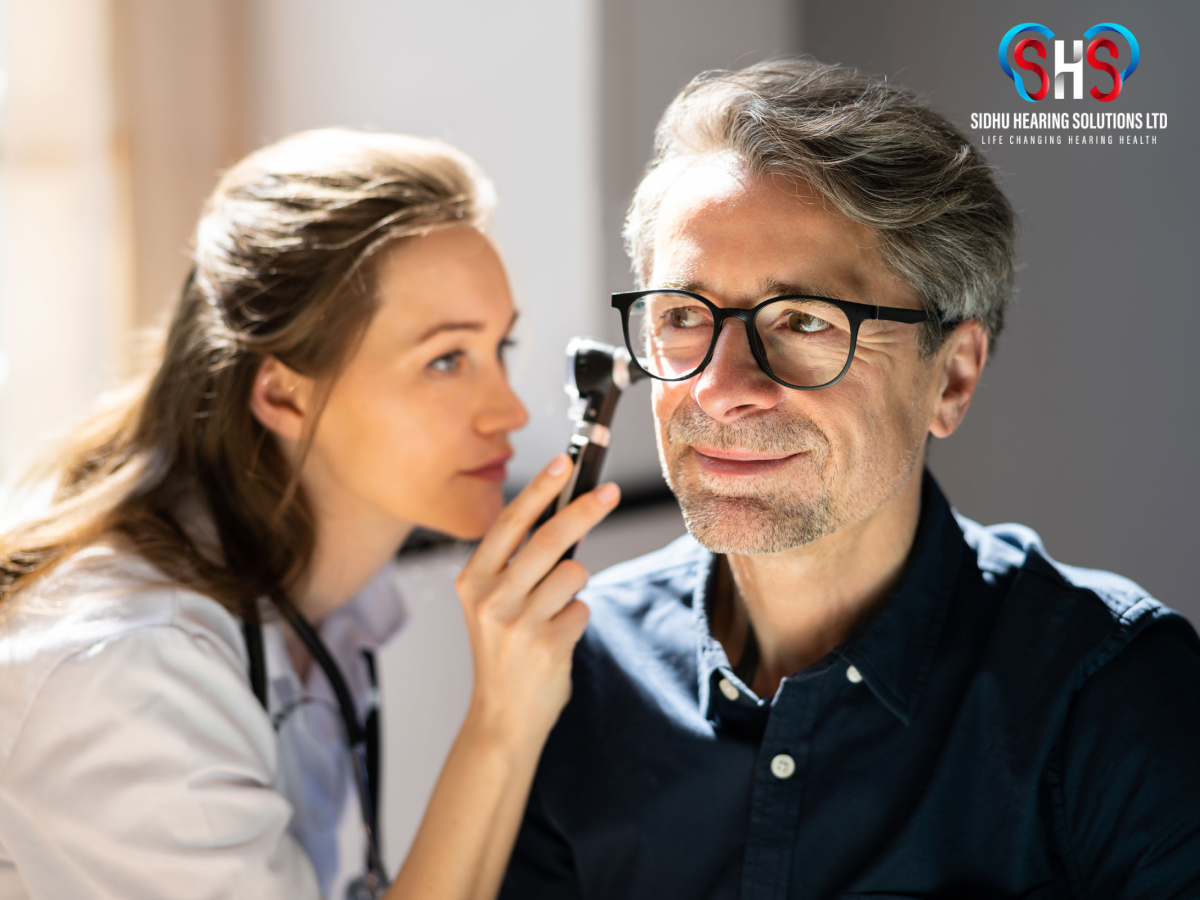
Consulting a qualified audiologist in Ealing will give you the right hearing aid based on your hearing test results and lifestyle needs.
Conclusion
While hearing aids in Ealing are medical devices, they actually provide a lifetime of confidence, socialisation, and an assurance of safety. Anyone struggling with conversations, feeling left out, or facing challenges at work would benefit greatly from a high-quality hearing aid. This helps family members, friends, and coworkers connect on a deeper level, leading to a richer, more fulfilling life for Ealing residents experiencing early-stage hearing loss.
Don’t let hearing loss hold you back—visit Ealing Hearing in London today and take the first step toward better hearing. and book a consultation!