
It’s Not Just Age: What a Professional Hearing Test in Stanmore Really Shows

Aarti Raicha • October 31, 2025

The hardest part of hidden hearing loss isn’t just missing words. It’s the mental effort your brain spends guessing them. That constant strain can leave you drained after social events. If your social life in Stanmore is starting to feel tiring instead of fun, a simple hearing test might explain why — and make things easier.


We often blame hearing changes on getting older. But that’s risky. Your hearing affects your brain and your everyday life. A thorough test in Stanmore isn’t just about volume. It’s about protecting your mind and staying connected with the people and world around you.


The Hidden Costs of Waiting


Many adults think, “I hear okay most of the time, I’ll wait.” But waiting comes with real consequences that go beyond asking people to repeat themselves.


Cognitive Overload


Every sound your ear picks up has to be processed by your brain. If some sounds are missing—usually high-pitched consonants—the brain works harder to fill the gaps. It’s like reading a book with every fifth word missing. Exhausting, right? Regular hearing checks in Stanmore reduce that load and help preserve your mental energy.


Social Retreat


When listening becomes tiring, conversations feel like work. Naturally, you start avoiding them. You might skip the local pub quiz or turn down dinner invitations. Over time, this social withdrawal can harm your happiness and health.


The Baseline Problem


Without a professional test, you don’t know what “normal” is for your hearing. A test gives you a baseline. Later, if your hearing changes, the audiologist can quickly track it and intervene. It’s important personal health data.


How Lifestyle Impacts Your Hearing


Hearing isn’t just about age, it’s also shaped by daily habits and surroundings. Things like loud music, noisy streets, or constant exposure to loud machinery will wear your hearing down over time. Even short bursts of loud noise can add up if they happen often.


The first step in ear protection is recognising that the ears need protection in the first place. This means lowering the volume of your headphones, using ear protection at concerts or when using power tools, and giving your ears quiet breaks after noisy environments. Over time, these small changes make a big difference.


If your audiologist knows the kinds of noise you deal with every day, they can give advice that actually fits your life. Getting your hearing checked regularly, especially if you spend time in loud places, helps catch small changes early—before they start sapping your energy.


Hearing Tests Are Easy, Not Scary


A visit to the audiologist may remind you of visiting the dentist, but rest assured, there’s nothing scary about it. 


Here’s what usually happens:


  1. A Conversation – The audiologist asks about the sounds you hear in everyday life, any noisy environments you’re in, and any difficulties you’ve noticed. It’s a simple conversation to make sure the test is relevant to you.
  2. Visual Check – They look inside your ears for blockages like earwax or infections. This is quick and painless.
  3. Sound Test – You sit in a quiet room and wear headphones. You’ll hear different tones and speech sounds and simply indicate when you hear them. There’s no pass or fail—just a map of your hearing.


At the end, the audiologist explains your results using a chart called an audiogram. They answer all your questions and give clear, practical advice.


Ealing Hearing Centre: Your Stanmore Hearing Partner


You deserve to take part in life without constant mental fatigue. Looking after your hearing is one of the kindest things you can do for yourself and your family.


At Ealing Hearing Centre, the audiologists start with a few quick checks using their equipment. As they work, they talk you through what’s happening and answer questions as they come up. If you need a moment, they pause. It’s more like a conversation than a test, and most people leave feeling informed and at ease.


Take Action Today


Catching hearing issues early preserves your energy, confidence, and connections. If conversations are exhausting or you notice subtle changes, a professional test can make a real difference.

Booking a check is simple and fast. Take the step today.


Your ears—and your brain—will thank you.


Visit the Ealing Hearing Centre website or call them to book your appointment. Regain clarity, ease, and confidence in your social life.


By Aarti Raicha December 29, 2025
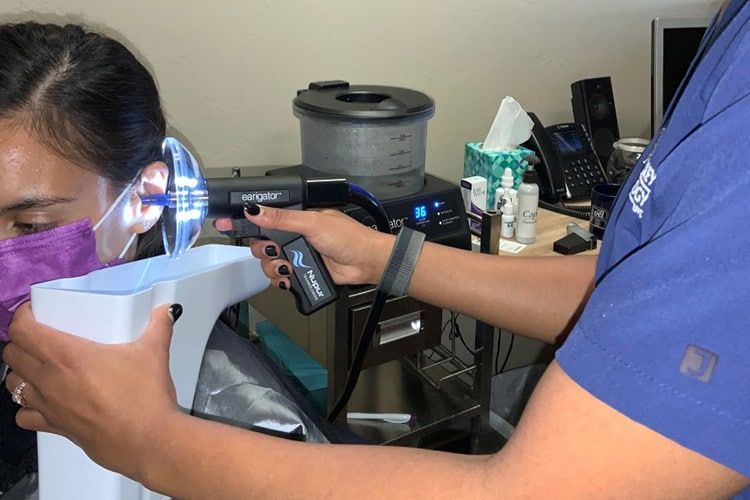
For many adults, wax-related ear problems show up quietly. Speech may start to sound less clear, one ear may feel slightly fuller than the other, or listening may feel more tiring than usual, without any obvious pain to point to the ear as the cause. When symptoms develop this way, wax is rarely what people think of first. Changes in hearing or comfort are more often blamed on tiredness, sinus pressure, or simply getting older, and the ear canal is not always considered until the problem has been there for a while. Changes in Hearing Clarity Hearing often feels different before it feels reduced. Voices can start to sound flatter or harder to pick out, especially in places with background noise, even when nothing feels obviously quieter. It also tends to vary. Some days, one ear feels more affected than the other, or things seem clearer at one point in the day and less so later on, which makes it easy to assume the problem is temporary rather than ear-related. Because these changes build gradually, many people adapt without realising how much extra effort listening has begun to require. A Feeling of Fullness or Pressure Another change people commonly notice is a sense of fullness in the ear. This is often described as pressure or blockage, similar to the feeling some experience after swimming or during changes in air pressure. The sensation can become more noticeable when chewing, yawning, or lying on one side, and it may shift slightly depending on how the wax sits within the ear canal. As it is rarely painful, it is easy to tolerate for longer than expected. Over time, this constant awareness of the ear can become distracting, even if it never develops into sharp discomfort. Ringing or Internal Sounds
By Aarti Raicha December 20, 2025
Blocked ears are rarely dramatic at first, and for many adults the sensation builds gradually, with a feeling of fullness, mild muffling, or pressure that comes and goes, often becoming more noticeable in quiet rooms or during conversations where speech suddenly feels less clear than it used to. When this happens, the instinct is to “unblock” the ear as quickly as possible. People search for ways to clear wax, assuming it is a simple obstruction that needs to be removed. In practice, earwax blockage is more complex than it appears, and many attempts to unblock it at home end up making the problem harder to resolve. Why Ear Wax Builds Up in Adults Earwax is a normal and necessary part of ear health. It protects the ear canal, traps dust and debris, and helps prevent infection. In most people, wax gradually moves out of the ear on its own as the jaw moves during talking and chewing. In adults, however, this process does not always work as smoothly. Wax can become drier with age, ear canals can narrow slightly, and the natural movement that helps wax migrate outward may slow. Hearing aid use, earbud use, and repeated attempts to clean the ears can also interfere with this self-cleaning process. Over time, wax that would normally exit the ear can compact deeper inside the canal, leading to blockage. Misunderstanding Blocked Ears Many people think of blocked ears as similar to a blocked nose, something that can be cleared quickly with the right technique. This comparison is misleading. Ear wax does not dissolve easily, and once it has compacted, it often behaves more like a plug than a soft build-up. Attempts to flush it out, soften it too aggressively, or remove it manually can push it further in rather than clearing it. This is why people often report that their ears feel worse after trying to unblock them themselves, even though they intended to fix the problem. Common Home Methods
By Aarti Raicha November 28, 2025
People, you probably just see earwax as something to remove. But its role is crucial: it’s your ear’s natural defence system against foreign particles and bacteria. The problem only happens when this protective barrier eventually dries up and turns into a blockage. Understanding Hardened Earwax Hardened earwax develops when it dries up and becomes firmly lodged, or impacted, inside the ear canal. This impaction isn't just a physical blockage; it can trigger a range of symptoms that severely impact your well-being: A persistent feeling of blocked ears or fullness Tinnitus (a distracting ringing or buzzing) Occasional dizziness or balance issues Noticeable reduction in hearing or muffled hearing . The hardening is often due to factors outside your control, such as age, genetic predisposition, the unique anatomy of your ear canals, or certain past medical events. Gentle Ways to Soften Wax at Home (Exercise Caution) Before seeking professional intervention, you may try softening the wax yourself. However, we must stress that safety and caution are paramount. 1. Medical-Grade Olive Oil Drops Gently warm some medical-grade olive oil (it should feel lukewarm, never hot) and place a few drops in the affected ear. Leave the oil to work for 10–15 minutes, then tilt your head to drain the excess. Repeating this 3–4 times daily for several days can significantly soften the blockage. 2. Over-the-Counter Drops Ask your local chemist for non-prescription drops designed to help break down earwax. If you prefer a ready-made solution, the pharmacist can guide you. The Absolute Rule of Ear Care This is vital: Never insert objects like cotton swabs, hairpins, or rolled-up tissue into your ear canal. These objects do not remove wax; they inevitably push the wax deeper against the eardrum, worsening the impaction and risking serious injury to the delicate inner ear structures. The Experts' Choice: Professional Ear Wax Removal in Ealing When home remedies prove insufficient, or if you are experiencing worrisome symptoms like pain, persistent ringing, or sudden hearing loss, consulting an expert is the safest course of action. Our professional services guarantee safe, accurate, and hygienic removal.