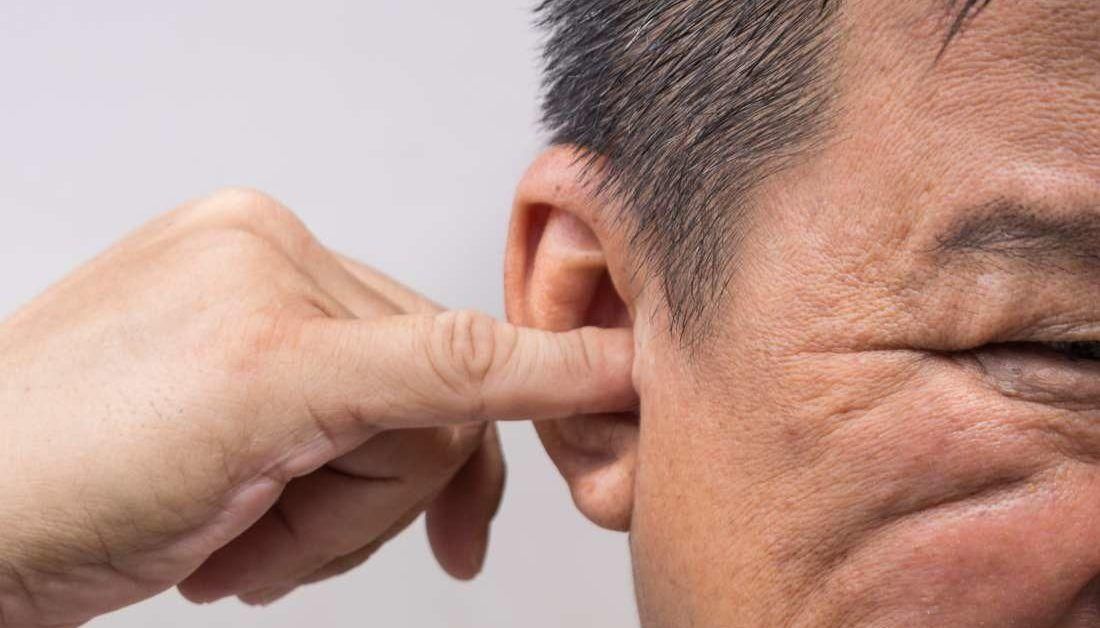
Why Is My Ear Still Blocked After Ear Wax Removal?
You have had the earwax removed, so you expect your ear to feel clear and your hearing to return to normal. But what if it still feels blocked?
It can be frustrating, especially if earwax seemed to be the obvious cause of the problem. However, a blocked feeling after ear wax removal does not always mean that the treatment has failed or that there is still wax in your ear.
Sometimes the ear needs a little time to settle. In other cases, some wax may remain or the blocked sensation may have another cause altogether.
The important thing is not to keep treating the ear for wax without knowing what is actually causing the problem.
Should Your Ear Feel Clear Straight After Wax Removal?
Many people notice an improvement soon after impacted earwax has been removed, particularly if the wax was affecting their hearing. However, everyone's experience is different.
Your ear canal is a sensitive area. After treatment, your ear may temporarily feel different from what you expected. You may notice fullness, sensitivity or a change in how sounds seem.
What matters is how those symptoms develop. Mild symptoms that are improving are different from a blocked feeling that continues, becomes worse or is accompanied by pain, discharge or a noticeable change in hearing.
It is also worth remembering that earwax may not have been the only reason your ear felt blocked in the first place.
Why Does My Ear Still Feel Blocked After Ear Wax Removal?
There are several possible reasons why an ear can continue to feel blocked.
Your ear may still be settling
Earwax removal involves working inside the ear canal, whether the wax is removed using microsuction, irrigation or manual methods.
The ear may therefore feel unusual for a short period afterwards. This does not necessarily mean anything is wrong.
If you have recently had treatment, follow the aftercare advice given by the person who treated you and pay attention to whether the sensation is improving.
Some earwax may remain
Earwax can sometimes be very hard, deeply positioned or difficult to remove comfortably in one session.
If some wax remains, you may continue to experience fullness or reduced hearing. The best way to establish whether this is the problem is to have the ear examined again rather than trying to remove more wax yourself.
At Ealing Hearing, an otoscopic examination is used to look inside the ear before deciding on the appropriate approach to wax removal.
The blockage may not have been entirely caused by wax
This is an important possibility.
Earwax can cause a blocked feeling and hearing loss. The NHS also lists earache, tinnitus and vertigo among possible symptoms of earwax build-up.
But those symptoms are not unique to earwax.
For example, Eustachian tube problems can cause muffled hearing, pressure or fullness, tinnitus, dizziness and popping or clicking sounds.
This is why repeatedly treating a blocked ear for wax without checking the ear can be unhelpful. Once the wax has been removed, another cause may become more apparent.
There may be an underlying hearing problem
Sometimes earwax is only part of the picture.
If your hearing was reduced before wax removal and remains reduced once the ear canal is clear, it may be worth having your hearing assessed.
The NHS specifically advises seeking medical advice if you have been treated for an earwax build-up but your hearing has not returned.
That does not automatically mean you have permanent hearing loss. It simply means that persistent hearing changes should not continue to be blamed on wax without further assessment.
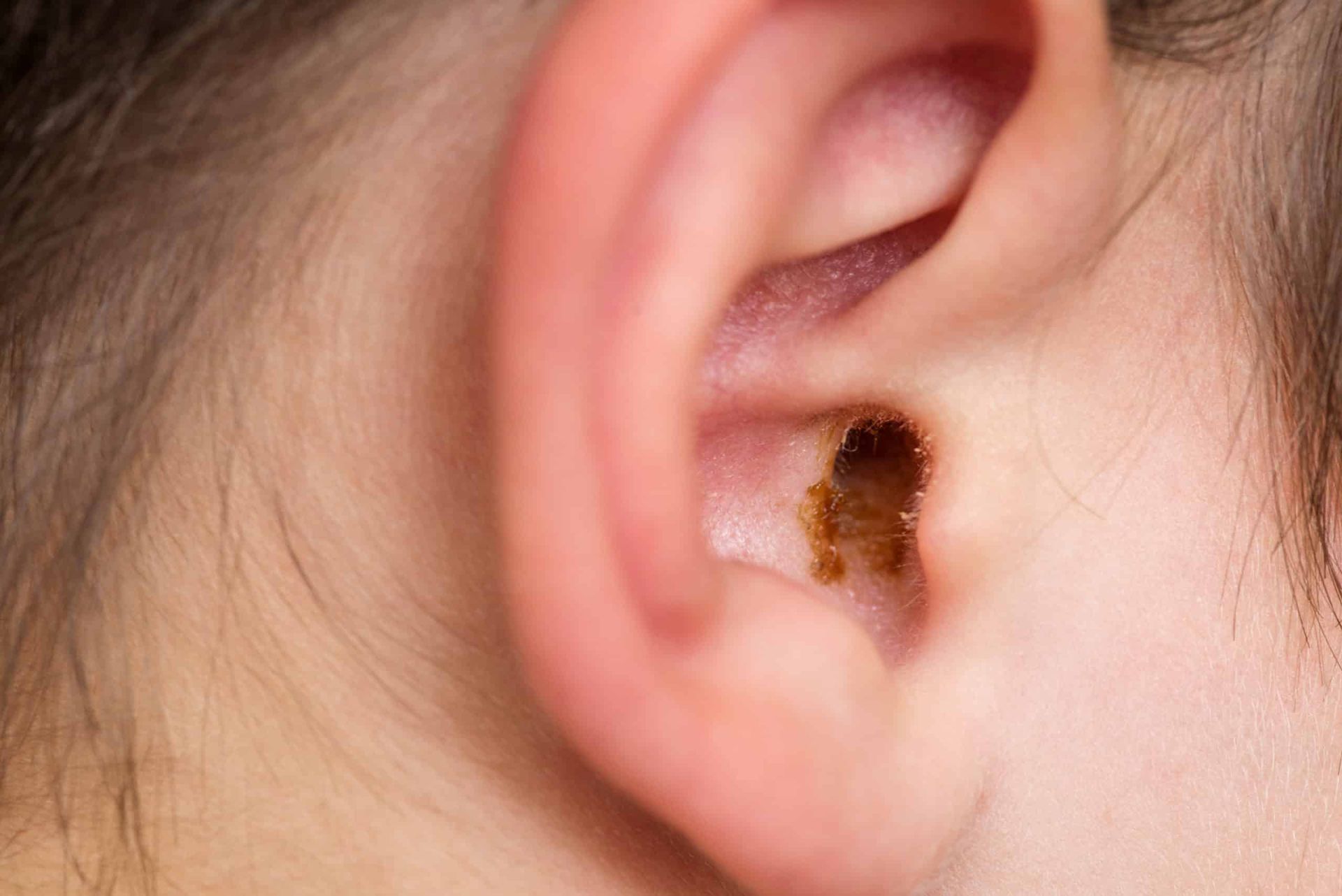
What If My Hearing Is Still Muffled After Ear Wax Removal?
Muffled hearing is one of the main reasons people seek earwax treatment. If the wax was physically blocking the ear canal, removing it may improve hearing.
However, if your hearing still seems muffled afterwards, the first step is to avoid assuming that more wax must be present.
An examination can establish whether the ear canal is clear. If it is, a hearing assessment may help identify whether something else is affecting your hearing.
This distinction matters because hearing loss has many possible causes. Some are treatable and others may require further assessment or ongoing hearing care.
There is also an important exception: sudden hearing loss should not be treated as a routine earwax problem. NHS guidance recommends urgent help for sudden hearing loss in one or both ears, hearing that has rapidly worsened over days or weeks, or hearing loss accompanied by symptoms such as earache or discharge.
Should I Try to Unblock My Ear Again?
If your ear still feels blocked after wax removal, it can be tempting to reach for a cotton bud or try to clear the ear yourself.
Avoid doing this.
NICE advises adults not to insert small objects such as cotton buds into the ear canal to remove wax. Doing so can push wax further into the canal and may cause damage.
The ear canal naturally cleans itself, and repeatedly poking or scratching inside the ear can cause more problems rather than solving the original one.
If you believe wax remains after professional treatment, contact the provider who treated you or arrange another examination.
How Long Should You Wait Before Getting Your Ear Checked Again?
There is no single waiting period that is right for every person or every type of earwax removal.
Instead, consider what is happening with your symptoms.
If the ear feels slightly unusual but is steadily improving, follow the aftercare advice you were given and continue to monitor it.
If the blockage remains unchanged, your hearing has not returned or you are concerned that wax is still present, having the ear checked again can help establish what is happening.
You should seek medical advice sooner if symptoms are becoming worse rather than better.
When Does a Blocked Ear Need More Than Wax Removal?
A blocked feeling can be associated with earwax, but certain symptoms deserve further assessment.
Speak to an appropriate healthcare professional if you experience significant or persistent pain, discharge or bleeding from the ear, dizziness, or a hearing change that does not improve.
Sudden or rapidly worsening hearing loss requires more urgent attention.
Ear pain is another reason not to assume that wax is responsible. NHS guidance lists several possible causes of earache, including earwax build-up, infection and a perforated eardrum.
An examination can help determine the appropriate next step rather than relying on symptoms alone.
What Happens If Your Ear Is Still Blocked?
If your ear continues to feel blocked, the next step is to find out why.
At Ealing Hearing, the ear can be examined to check whether wax remains and whether further ear wax removal is appropriate.
Depending on what is found, the next step may be further wax management, a hearing assessment or advice to seek medical care elsewhere.
This is one reason professional ear care can be useful: the aim is not simply to remove something from the ear, but to understand whether earwax is actually responsible for your symptoms.
Ealing Hearing provides professional ear wax removal using methods including microsuction, irrigation and manual removal where appropriate.
If you are dealing with wax before treatment rather than symptoms afterwards, you can also read our guide to how to unblock wax in your ears.
What If the Ear Is Clear but My Hearing Still Isn't Right?
Finding that the ear canal is clear is useful information.
It means you can stop focusing solely on wax and start looking at your hearing more closely.
A hearing test can assess how well you hear different sounds and help identify whether there is a hearing problem that needs further attention.
This can be particularly useful if you were expecting your hearing to return after wax removal but still find conversations unclear, the television seems louder than before, or one ear appears noticeably different from the other.
Earwax is a common and often treatable cause of blocked ears, but it is not the explanation for every hearing change.
Frequently Asked Questions
Why is my ear still blocked after wax removal?
There are several possible reasons. The ear may still be settling, some wax may remain, or another issue may be causing the feeling of blockage. An ear examination can help determine what is happening.
Is it normal for an ear to feel blocked after microsuction?
Some people may notice temporary changes in how the ear feels after treatment. If the sensation persists, becomes worse or is accompanied by other symptoms, arrange a review rather than assuming it is normal.
Can wax still be left after ear wax removal?
It is possible for wax to remain, particularly if it is difficult to remove safely or comfortably. A follow-up examination is the best way to check.
Why is my hearing still muffled after earwax removal?
Earwax may not have been the only cause of your hearing difficulty. If the canal is clear but your hearing has not returned, further hearing assessment may be appropriate.
Should I use a cotton bud if my ear still feels blocked?
No. Cotton buds can push wax deeper into the ear canal and may cause further problems.
Get Your Ears Checked at Ealing Hearing
If your ear still feels blocked after ear wax removal, you do not have to keep guessing whether wax is still responsible.
An examination can help establish whether wax remains and whether further removal, a hearing test or another form of assessment is the appropriate next step.
Contact Ealing Hearing to arrange an appointment in Ealing or Stanmore.