Can Ear Wax Affect a Hearing Test? What to Know Before Your Appointment
If you have a hearing test coming up and suspect that your ears are blocked with wax, you may wonder whether it could affect your results.
The short answer is that a significant earwax build-up can affect your hearing and may need to be dealt with as part of the assessment process.
That does not mean you should try to clean your ears before every hearing test. In fact, putting cotton buds or other objects into the ear can make a wax blockage worse.
A proper hearing assessment starts with understanding what is happening in and around the ear. If wax is present, your audiologist can consider whether it is likely to interfere with the assessment and advise you on the appropriate next step.
Can Ear Wax Affect a Hearing Test?
Yes, it can.
Sound needs to travel through the ear canal before reaching the eardrum. If the canal is significantly blocked by earwax, less sound may pass through normally.
Earwax build-up is a recognised cause of hearing loss, particularly when the ear feels blocked or full.
That matters during a hearing test because the purpose of the assessment is to understand how well you are hearing and, where possible, what may be contributing to any hearing difficulty.
If wax is blocking the ear canal, the audiologist needs to know it is there when assessing and interpreting your hearing.
NICE recommends removing earwax when it is contributing to hearing loss or other symptoms, or when it prevents examination of the ear.
Why Does Ear Wax Affect Hearing?
Earwax itself is normal.
It helps protect the ear canal, and in most people it gradually moves out of the ear naturally. A problem develops when too much wax builds up and blocks the canal.
A blockage can make sounds seem quieter or muffled. You might also notice a feeling of pressure or fullness.
The NHS lists hearing loss, earache or a blocked feeling, tinnitus and vertigo among the possible symptoms of earwax build-up.
For some people, that reduced hearing is temporary and improves once the blockage is dealt with.
However, it is important not to assume that every hearing problem is caused by wax. You can have earwax and an underlying hearing problem at the same time.
That is why examining the ear and carrying out the right hearing checks are more useful than simply assuming that clearing the wax will solve everything. If you are not sure which one you are dealing with, our guide to the difference between blocked hearing and actual hearing loss explains how the two usually feel.
What Happens If Ear Wax Is Found Before Your Hearing Test?
Finding wax does not automatically mean that your whole appointment has been wasted or that every hearing assessment has to be cancelled.
The first step is to establish how much wax is present and whether it is likely to interfere with examination or testing.
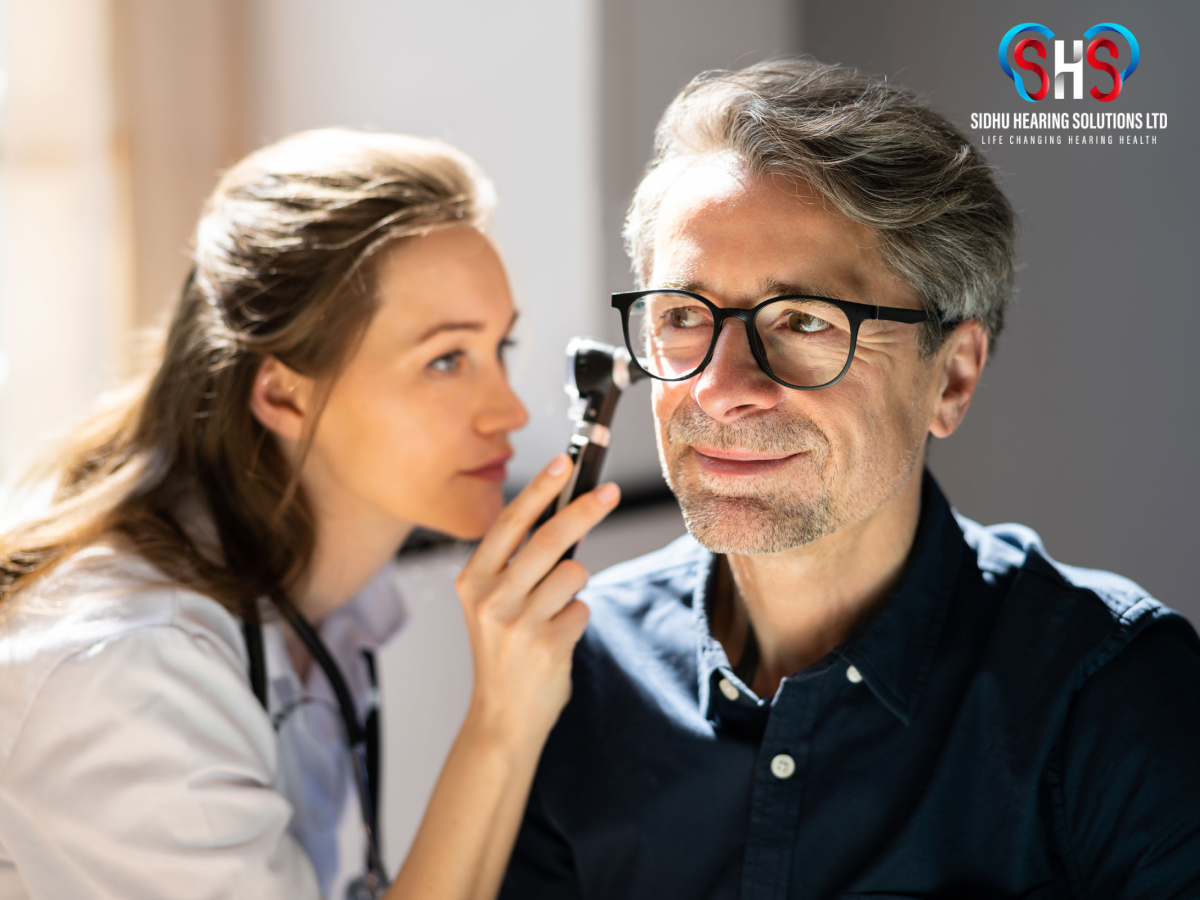
An audiologist can look inside the ear using an otoscope. This helps them assess the ear canal and eardrum where visible and identify issues such as significant wax blockage.
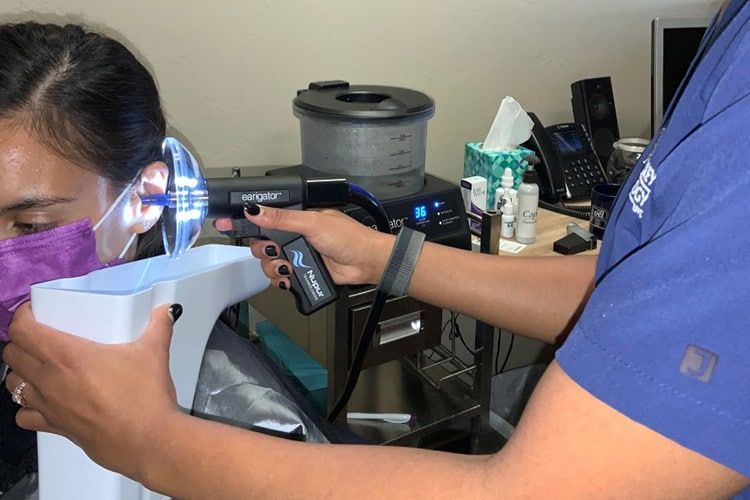
If the wax needs to be removed, the appropriate method will depend on the individual ear.
NICE lists microsuction, electronic ear irrigation and other methods such as manual removal as options when carried out by a trained practitioner with the correct equipment and after checking whether the method is suitable. You can read more about how these compare in the types of ear wax removal available in London.
Once the ear canal is clear, the hearing assessment can provide a better picture of how you are hearing without a significant wax blockage getting in the way.
Should You Remove Ear Wax Before a Hearing Test?
Not automatically.
If you already know that you regularly experience heavy wax build-up, it can be useful to mention this when booking your hearing appointment. The clinic can then advise you on what to do.
What you should not do is start digging inside your ears to make sure they are "clean" before the test.
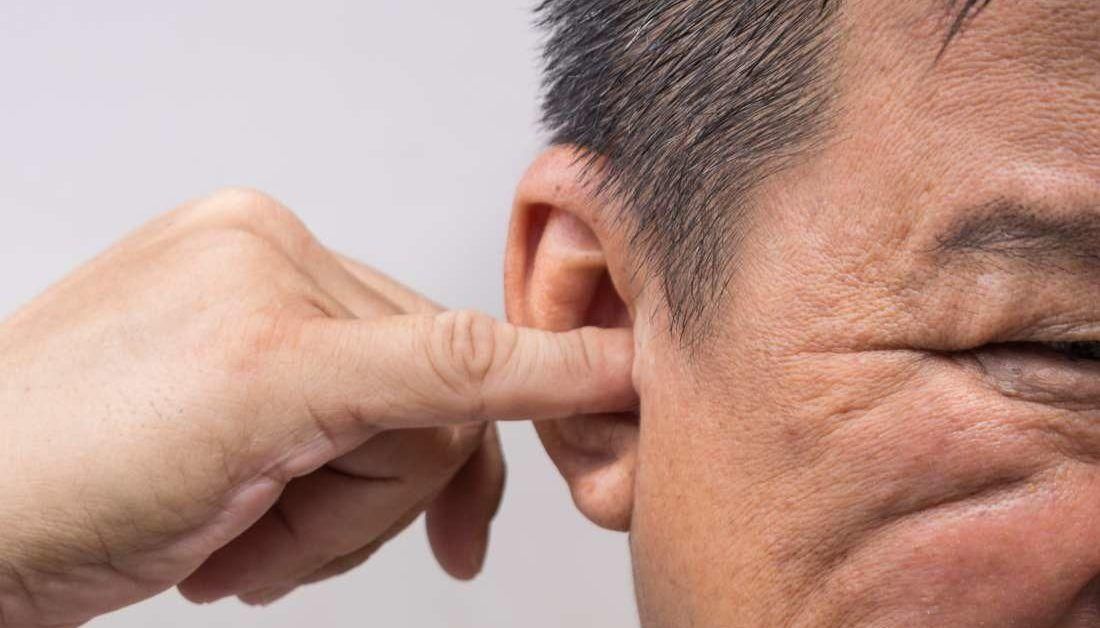
Cotton buds, fingers and other objects can push wax further into the ear canal. NICE advises adults not to clean their ears by inserting small objects such as cotton buds into the canal. There is more on this in why DIY ear wax removal fails and what to do instead.
You should also be careful about trying treatments without knowing whether they are suitable for your ears. For example, Guy's and St Thomas' NHS Foundation Trust advises against using shop or pharmacy ear products where there is a chance of a perforated eardrum.
If you are unsure, having the ear checked is a safer starting point.
Can Ear Wax Make Your Hearing Seem Worse Than It Is?
A significant wax blockage can reduce hearing because it interferes with sound travelling through the ear canal.
That means someone may notice that speech sounds muffled, the television needs to be louder, or one ear seems quieter.
But there is an important distinction.
Removing wax tells us what your hearing is like without that blockage. If your hearing improves and returns to normal, wax may have been responsible for much of the problem.
If hearing remains reduced after the wax has been removed, there may be another cause that needs to be investigated.
The NHS advises people to seek medical advice if they have received treatment for earwax build-up but their hearing has not returned.
This is one reason a hearing test can be valuable after wax removal when hearing still does not seem right.
Wax Blockage or Hearing Loss? A Quick Comparison
The two can feel surprisingly alike from the inside. This table sets out the usual differences, though only an examination and a hearing test will tell you for certain.
| What you notice | Ear wax blockage | Underlying hearing loss |
|---|---|---|
| How it starts | Often fairly quickly, sometimes after a shower or swim | Usually gradual, over months or years |
| How the ear feels | Full, plugged or under pressure | Often feels normal, with no sense of blockage |
| How sound seems | Muffled, as if you are wearing an earplug | Speech is heard but harder to make out, especially in noise |
| One ear or both | Commonly one ear, though both can be affected | Often both ears, but not always |
| What the otoscope shows | Wax visible in the ear canal | Ear canal may be clear |
| After wax removal | Hearing usually improves | Hearing stays reduced and needs further assessment |
What If Your Hearing Is Still Poor After Ear Wax Removal?
It is easy to assume that another piece of wax must still be hiding in the ear.
Sometimes wax does remain, but that is not the only possibility. If this sounds familiar, you may find our article on why your ear still feels blocked after wax removal useful.
The ear can be examined again to establish whether the canal is clear. If it is, a hearing test can help assess your hearing more closely.
This is particularly worth considering if you:
- still struggle to follow conversations
- find yourself increasing the television volume
- frequently ask people to repeat themselves
- notice one ear hears differently from the other
- continue to experience tinnitus or other hearing concerns
Persistent hearing difficulty should not simply be treated as recurring wax without checking.
Sudden hearing loss is different again. If hearing suddenly drops in one or both ears, or gets noticeably worse over a short period, NHS guidance recommends urgent medical help.
Can You Have Ear Wax Removal and a Hearing Test at the Same Appointment?
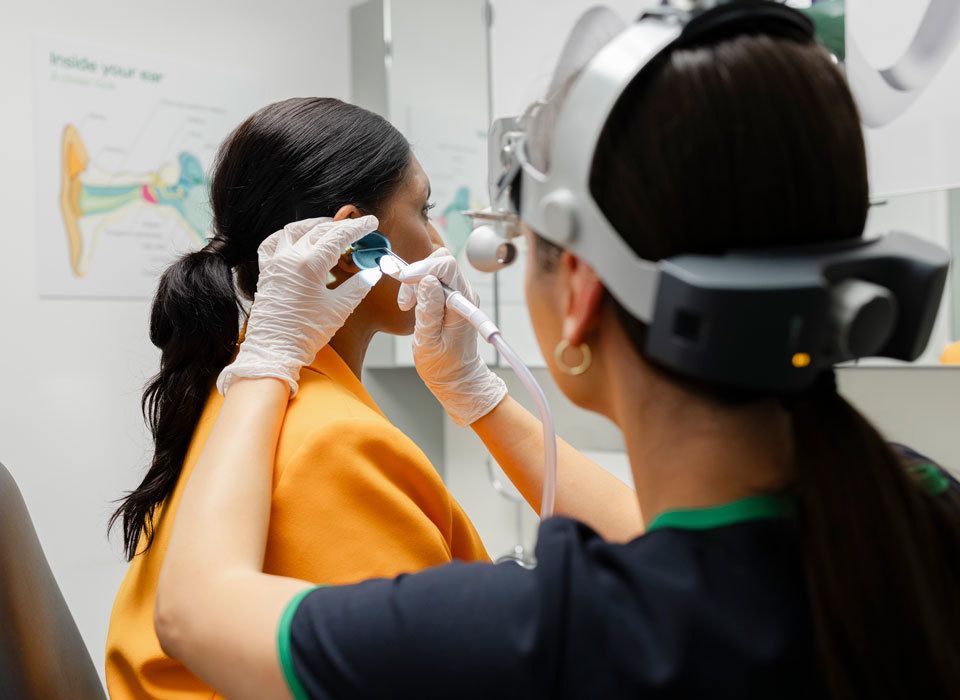
Whether both can be completed during one visit will depend on what is found when your ears are examined, the amount and condition of the wax, and what is appropriate for you.
Ealing Hearing provides both hearing assessments and professional ear wax removal, so the relationship between the two can be considered rather than treating them as completely separate issues.
If wax is identified, the audiologist can explain whether it should be removed and when your hearing should be tested.
Ealing Hearing offers professional ear wax removal, including microsuction, irrigation and manual removal where appropriate.
If your main concern is your hearing, you can also arrange a hearing assessment at the clinic. The website has further information on what happens during a hearing test.
For people closer to the Stanmore branch, Ealing Hearing also provides appointments locally, supporting the site's existing focus on hearing tests in Stanmore.
When Is a Hearing Test Important Even After the Wax Is Gone?
Removing a wax blockage can solve a temporary hearing problem, but it cannot correct hearing loss caused by something else.
If you continue to have difficulty hearing once your ears are clear, a hearing assessment can help establish the extent and type of hearing difficulty.
This is particularly important because gradual hearing loss is easy to adapt to without noticing how much has changed. You may begin turning up the television, relying more heavily on lip reading or avoiding difficult listening situations without immediately recognising these as signs of a hearing problem.
A hearing test gives you clearer information instead of leaving you to guess whether wax is still responsible. Left unchecked for years, hearing loss can take a toll well beyond the ears, as we cover in how untreated hearing loss affects your brain, mood and health. The NHS also has a clear overview of the common signs of hearing loss if you want to compare what you have noticed.
Frequently Asked Questions
Can ear wax affect hearing test results?
A significant wax blockage can reduce the amount of sound passing normally through the ear canal and may therefore affect hearing assessment. The ear should be examined so the audiologist knows whether wax is likely to be relevant.
Should I clean my ears before a hearing test?
You do not need to put objects inside your ears to clean them before an appointment. Cotton buds can push wax further into the canal and should not be used for this purpose.
Can I have a hearing test if I have earwax?
It depends on the amount and position of the wax and the type of assessment being carried out. Your audiologist can examine the ears and decide whether the wax needs to be dealt with first.
Can earwax cause temporary hearing loss?
Yes. Earwax build-up can cause hearing loss when it blocks the ear canal.
What if my hearing is still poor after wax removal?
If your hearing does not return after the wax has been treated, further assessment is recommended rather than assuming that wax is still the cause.
Can I book ear wax removal and a hearing test together?
Contact Ealing Hearing when booking and explain your symptoms or concerns. The clinic can advise you on the most appropriate appointment and whether wax removal and hearing assessment can be carried out as part of your care.
Book a Hearing Assessment with Ealing Hearing
Earwax can affect hearing, but it is not the cause of every hearing problem.
If you are unsure whether your hearing has changed because of wax, an examination can help establish what is happening. Where needed, ear wax removal and hearing testing can then be used to get a clearer picture of your hearing.
Wondering whether ear wax could affect your hearing test? Tell us what you have noticed when you get in touch, and we will suggest the right appointment, whether that is a wax check, a hearing test or both.
Contact Ealing Hearing to arrange an appointment in Ealing or Stanmore.
Book a Hearing Assessment Book Ear Wax Removal