Custom Swimming Earplugs: A Guide Before You Book a Fitting
If water in your ears makes swimming uncomfortable, you may be wondering whether custom swimming earplugs would help. They're made to fit your ears and may stay in place better than off-the-shelf plugs. But they're not right for everyone, and they can affect what you hear around the pool. Here's what to consider before arranging a fitting.
What do custom swimming earplugs do?
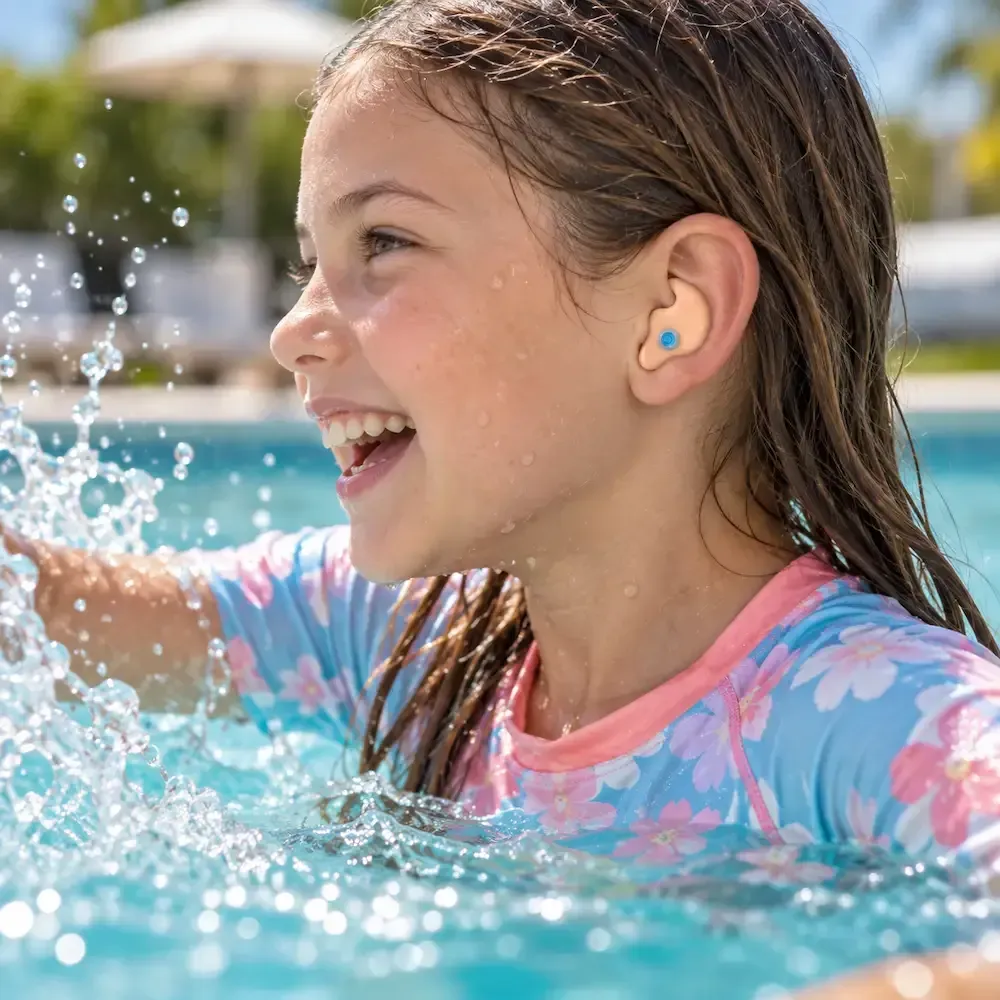
They are made to fit the shape of your ears and help limit water entering the ear canal while you swim. An audiologist takes an impression, then checks the finished mould with you. Ealing Hearing Centre offers custom-made earplugs for swimming and sports as part of its hearing protection service.
The fit matters. A loose plug may let water through, while an uncomfortable one is hard to keep wearing. Swimming plugs are not designed to protect your hearing from loud sound. If noise is your concern, our guide on protecting your hearing from everyday sound covers that separately.
Custom vs off-the-shelf swimming earplugs
Most people start with shop-bought plugs. Here is roughly how the two compare, so you can see where a custom pair might make a difference for you.
| What to compare | Off-the-shelf earplugs | Custom swimming earplugs |
|---|---|---|
| Fit | Standard sizes that suit some ears better than others | Made from an impression of your own ears |
| Staying in place | May slip or fall out during swimming | May stay in place better when the fit is right |
| How you get them | Bought ready to use | Fitting appointment, then a fit check with an audiologist |
| Water | Can let water through if loose | Reduce water entering, though a small amount may still get in |
| Ongoing care | Often replaced when worn | Clean, store in a case and have the fit checked over time |
| Best suited to | Occasional swimmers who find them comfortable | Regular swimmers, or people advised to keep their ears dry |
Could a custom pair be right for you?
They may be worth discussing if you swim often and standard plugs are uncomfortable or keep falling out. They may also be an option if a clinician has advised you to keep your ears dry. If you have had ear surgery, a perforated eardrum, ear tubes or repeated outer-ear infections, check with a healthcare professional first. A custom plug does not replace individual medical advice.
You may have heard outer-ear inflammation called swimmer's ear. A BMJ clinical review estimates that otitis externa affects about 1% of people each year and around 10% over a lifetime. That is a general estimate; it does not mean swimming causes every case or that earplugs prevent infection. The BMJ review and Guy's and St Thomas' NHS guidance explain the condition and water precautions.
If your ear hurts, is leaking or feels irritated, pause swimming and get clinical advice. Earplugs do not make it safe to swim while an ear problem is being checked or treated.
What happens at a fitting?
The appointment starts with a conversation about how you swim and any ear problems you have had. The audiologist takes an impression of your ear to make the mould, then checks the fit and shows you how to put the plugs in and take them out. Mention whether you swim in a pool or open water, how often you go, and whether you wear a cap or goggles. It also helps to say if you need to hear a coach or lifeguard.
Ask how a good fit should feel, how long the plugs should last and what to do if they become sore or loose. They should feel secure, not painful. If they repeatedly slip, feel different or become difficult to insert, stop using them and ask for a review. Don't try to reshape them yourself or share them with someone else.
Useful things to mention at your appointment:
- Pool or open water, and how often you swim
- Whether you wear a swim cap or goggles
- Any past ear surgery, infections or medical advice about keeping your ears dry
- Whether you need to hear a coach or lifeguard while you swim
Before you decide
Think about how often you swim and what you want the plugs to do. If you only swim now and then and ordinary plugs stay comfortable, a custom pair may not be necessary. Ask about the material, how to clean it, when the fit should be checked and what happens if your ears change. That way you can weigh the ongoing care and cost against how often you will use them.
Will they affect what you hear?
They can. Earplugs may make it harder to hear a lifeguard, coach or other swimmers. Follow the pool's safety rules and stay aware of what is happening around you. If you can't hear important instructions clearly, ask whether the plugs are suitable for your activity before you use them in the water.
The fit also has limits. UCLH's audiology guidance says swim plugs may let a small amount of water through, even when they reduce how much enters the ear. Follow the advice you are given, and don't force a plug into an ear that feels sore.
If everything sounds muffled even out of the water, the cause may be something else, such as wax. Our article on blocked hearing versus actual hearing loss explains the difference, and a hearing consultation can help you find out what's going on.
How should you look after them?
Clean and dry your earplugs as the provider recommends, and keep them in their case between swims. Check for damage and changes in fit. If they become uncomfortable or loose, ask for a review rather than trying to trim or reshape them. Your ears can change over time, so a pair that once fitted well may need checking.
Frequently asked questions
Do custom swimming earplugs keep all water out?
Not always. They reduce how much water gets into the ear, but a small amount may still get through even with a good fit.
Can I use swimming earplugs to protect my hearing from noise?
No. Swimming plugs are made to limit water, not loud sound. Ask about noise protection separately if that is what you need.
Can I swim with an ear infection if I wear earplugs?
Earplugs don't make it safe to swim while an ear problem is being checked or treated. If your ear hurts, leaks or feels irritated, stop swimming and get clinical advice first.
What if my earplugs stop fitting?
Ears can change over time. If your plugs slip, feel sore or become hard to insert, stop using them and ask for a review instead of trimming them yourself.
Ask Ealing Hearing about swimming earplugs
If water in your ears is affecting your swimming, or a clinician has told you to keep them dry, get advice based on your ear health. Ealing Hearing Centre provides custom-made swimming and sports earplugs in Ealing. You can read about custom swimming earplugs and contact the team to ask whether a custom fit could suit your routine. Mention any ear problems or medical advice you have already received.
Book a custom swimming earplug fitting in Ealing
Talk to our audiologists about how you swim and whether a custom fit makes sense for you. Visit us at 64 Northfield Avenue, Ealing, W13 9RR, or call 0800 002 5777.