
How Mobile Earwax Removal Works: A Complete Guide to At-Home Clear Hearing

Aarti Raicha • February 27, 2026

We live in a world where almost everything can be brought directly to our living rooms. From the weekly grocery shop and hot restaurant meals to flat-pack furniture and fitness instructors, convenience dictates how we manage our time. So why should taking care of your ear health be any different?


When you're struggling with a stubborn ear blockage, travelling across town, battling traffic, and sitting in a waiting room isn’t always practical. For some, it’s not even possible. Dealing with muffled hearing, a sense of pressure, or ringing ears is already stressful enough without adding a logistical nightmare on top of it.


That's where mobile earwax removal steps in. It brings the exact same professional standard of care you'd get in a high street clinic directly to your sofa. If you’ve never considered a home visit for your ears before, here is a complete guide to how it works, who it’s for, and why it might be the easiest medical appointment you ever book.

Who Actually Uses At-Home Ear Care?

There is a common misconception that home healthcare visits are only for the very elderly or bedbound. While it is an absolute lifeline for those groups, the demographic using mobile ear services is actually incredibly broad.


  • Busy Professionals: If you work long hours or spend your days on back-to-back Zoom calls, taking three hours out of your day to travel to an appointment simply isn't feasible. A mobile audiologist can clear your ears on your lunch break, right in your home office.
  • Parents with Tight Schedules: A home visit means you don't have to disrupt the family routine.
  • Care Home Residents: For individuals in residential care or those living with dementia, a trip to a busy clinic can be deeply disorienting and distressing. Being treated in a familiar, comfortable chair makes the whole process calm and relaxed.
  • Anyone with Mobility Challenges: Whether you rely on a wheelchair, have severe arthritis, or simply find public transport exhausting, mobile services remove the physical barriers to getting good healthcare.


The Step-by-Step Process of a Home Visit

You might be wondering how a messy, clinical procedure can be done in your living room without ruining the carpet. The truth is that modern ear clearing is incredibly clean and completely dry.


Step 1: Setting the Scene 

You don't need a medical bed or a sterile room. A normal dining chair, an armchair, or even your sofa works perfectly fine. The visiting professional will bring all their own equipment in a compact, portable case.


Step 2: The Assessment 

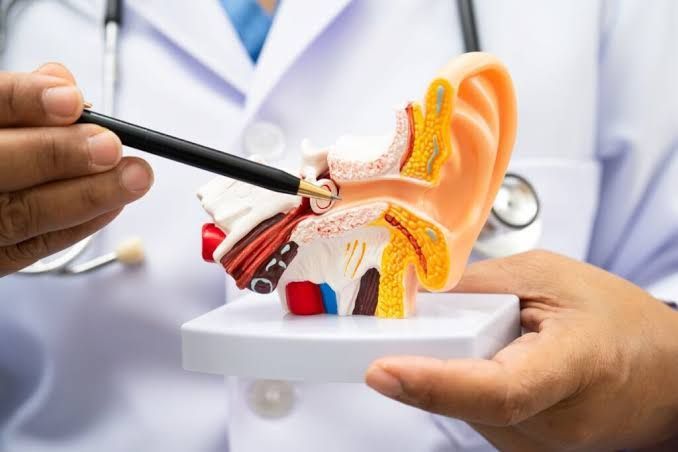
The practitioner will never proceed blindly. Before anything touches your ear, the practitioner will take a brief medical history and look inside your ear canals using an otoscope. 


Step 3: The Microsuction Procedure 

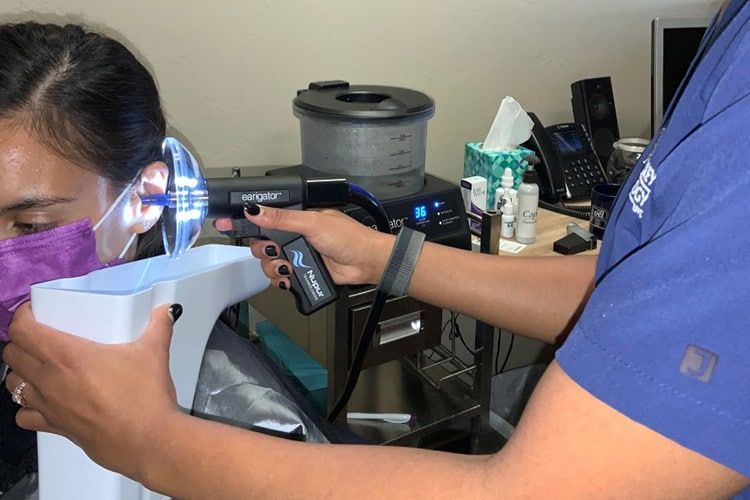
If wax is confirmed and safe to remove, the practitioner will set up the microsuction machine. This is a medical-grade suction device attached to a tiny, sterile tube. While looking through magnifying loupes (special glasses with a bright light and microscope built in), they will gently vacuum the wax out of your ear. You’ll hear a loud rushing noise, and it might feel a bit tickly, but it shouldn’t hurt at all.


Step 4: The Immediate Relief 

Because microsuction is so precise, the results are usually instant. The moment that final piece of compacted wax is lifted away, the sound of the room rushes back in. Patients often laugh at how loud their own fridge or the ticking of their clock suddenly sounds.


Why This Beats Do-It-Yourself Remedies

When an ear blocks up at home, the temptation to fix it yourself is strong. People often rely heavily on olive oil drops or, worse, cotton buds.

Olive oil drops can help soften wax, but they rarely dissolve a heavy blockage completely. Instead, they can turn hard wax into a thick sludge that may smear across the eardrum, sometimes temporarily worsening hearing. As for cotton buds, they simply act like a ramrod, pushing the wax deeper into the narrowest part of the ear canal where it becomes firmly stuck. Having a professional carefully extract the wax is the only foolproof way to resolve the issue safely.


Finding the Right Professional 

Because home visits have become so popular, there are more people offering the service than ever before. If you are looking for reliable Ear wax removal London wide, you need to be careful about who you invite into your home.


Always ensure that the person visiting is a qualified, registered hearing care professional (such as an audiologist or a specially trained nurse), rather than someone who has completed only a short training course. Proper ear care requires an understanding of the complex anatomy of the ear, not just the ability to switch on a suction machine.


Getting your ears cleared shouldn't be a hassle. With mobile services, you can protect your hearing, restore your comfort, and get on with your day, all without ever needing to find your car keys.

February 21, 2026
Waking up with a blocked ear is one of those highly specific, deeply irritating frustrations. You shake your head, yawn, swallow hard, and maybe tug at your earlobe, hoping for that satisfying ‘pop’ that clears your head. But nothing happens. Your hearing remains muffled, and it feels like you're walking around with your head completely underwater. When your ears reach this stage, waiting weeks for a routine appointment feels like a lifetime. You need relief, and you need it quickly so you can get back to normal life. That's exactly why same-day ear wax removal in Stanmore has become such a sought-after service for our local patients. Nobody wants to struggle through work meetings, family dinners, or simply watching the evening news while missing half the conversation. But how do you know if your symptoms require immediate professional attention, or if it's just a temporary quirk that will clear up on its own? Here are seven clear signs that it’s time to book an urgent appointment. 1. The Sudden Volume Drop One of the most obvious signs of a severe wax impaction is a sudden drop in your hearing ability. It rarely happens completely overnight; usually, the wax has been building up for months. But all it takes is a little bit of water from the shower or a restless night’s sleep to push that wax right against the eardrum, sealing the ear canal shut. Suddenly, you’re asking everyone to repeat themselves or turning the television volume up to uncomfortable levels for the rest of the house. 2. A Constant Sensation of Fullness Even if your hearing hasn’t completely dropped off, you might feel a heavy, dense sensation on one side of your head. Patients often describe this as feeling “stuffed up” or like they have a plug sitting deep inside their ear. Unlike the pressure you get from a head cold or flying on an airplane, this feeling doesn’t change when you pinch your nose and blow. It’s a physical blockage that needs to be physically removed. 3. The Unexpected Arrival of Tinnitus Most people think of tinnitus as that annoying ringing or buzzing in their ears that just won't go away. While there are plenty of reasons it happens, a lot of the time it’s just a buildup of hard earwax. When that wax gets stuck right against your eardrum, the pressure interferes with your inner ear and can cause phantom ringing or buzzing sounds. Getting the wax cleared often stops the ringing immediately. 4. Your Hearing Aids Are Acting Up If you wear hearing aids, earwax is your absolute worst enemy. When wax blocks the ear canal, the sound coming from your hearing aid’s speaker has nowhere to go. Basically, the sound hits that wall of wax and bounces right back into the microphone, that’s where that annoying high-pitched whistling comes from. If your hearing aids start acting up, sounding muffled, or dying way faster than they should, there’s a good chance your ear canal is just blocked up. 5. A Dull Ache That Won't Shift While earwax doesn’t typically cause the sharp, piercing pain of an ear infection, a severe impaction can become incredibly uncomfortable. As the wax hardens and dries out, it expands slightly, stretching the sensitive skin of the ear canal. This results in a persistent, dull ache that can sometimes radiate down into your jaw. 6. Persistent Itching Deep Inside We’ve all experienced an itchy ear, but when wax starts to dry out and flake off, it can rest against the tiny, sensitive hairs deep inside the ear canal. This creates a maddening tickle that you simply can’t reach. 7. Feeling Unsteady or Dizzy Your ears are responsible for your balance just as much as your hearing. When a hard plug of wax pushes against the eardrum, it can send confusing signals to your vestibular system. You might feel slightly off-balance, lightheaded, or unsteady on your feet. What to Expect from an Urgent Appointment If you’re nodding along to any of these symptoms, the safest route is professional microsuction. It’s the gold standard for clearing ears. Unlike the old-fashioned syringing methods that flushed water into the ear, microsuction acts like a tiny, precise vacuum cleaner. A trained audiologist investigates your ear with a high-powered microscope and gently lifts the wax away. The procedure is entirely dry, incredibly safe, and usually takes less than thirty minutes. What If the Wax Is Gone but You Still Can’t Hear? Sometimes, a patient comes in convinced that earwax is the root of all their problems. We clear the ear canals completely, and while the physical pressure disappears, their hearing remains slightly dull. This happens because a slow build-up of wax can mask natural, age-related changes in your hearing. When the wax is gone, the underlying hearing loss is suddenly obvious. If this is the case, the next logical step is to book comprehensive hearing tests in Stanmore . By sitting down for a proper audiometric assessment, we can map out exactly which sound frequencies you are missing and provide a tailored solution to get you back into the conversation. Conclusion Don't let blocked ears ruin your week. If you recognise the signs, seek safe, professional relief and get your hearing back on track today. Need relief today? Don't put up with blocked ears for another minute. Call Ealing Hearing’s Stanmore clinic on 0800 002 5777 or book your same-day appointment online. We'll have your ears cleared and feeling normal again in no time.
By Aarti Raicha February 4, 2026
People usually start looking for ear wax removal in London when their hearing doesn’t feel right. By that point, they’re often faced with a lot of choices and not much clarity about what to pay attention to. London has clinics everywhere, offering a wide range of services. Some focus on speed, others on price, others on convenience. Knowing which of those things matter, and which don’t, is where people tend to get stuck. Why choosing can feel unclear Earwax sounds like a simple problem, so people often assume that removing it is simple too. The difficulty is that blocked ears aren’t always caused by wax. Infection, inflammation, or problems deeper in the ear can feel similar. Without looking inside the ear first, there’s no reliable way to know what’s actually causing the blockage. That’s why choosing ear wax removal in London isn’t just about finding a quick appointment. It’s about knowing proper checks will happen before anything is done. What matters before anything is removed Before wax is removed, the ear canal and eardrum need to be examined. This confirms whether wax is present and whether removal should go ahead. If there are signs of infection, discharge, or damage to the eardrum, removal is delayed. This step is important, because not all blocked-ear symptoms should be treated the same way. Location and appointment times matter, but proper examination comes first. How ear wax is commonly removed One of the most common ways to remove earwax is through microsuction. It allows wax to be removed under direct vision and without introducing water into the ear. This matters because the ear canal is narrow and sensitive, and the eardrum sits close behind impacted wax. Being able to see what’s happening throughout the process allows removal to stop if anything needs to be reassessed. The method itself is only part of the decision. Knowing when to proceed, pause, or stop is just as important.
By Aarti Raicha January 17, 2026
If your hearing feels blocked and getting to a clinic feels like more effort than it should be, you’re not alone. That’s usually when people start looking into mobile earwax removal. This often comes up when the problem has been hanging around for a while. The first thing you’ll notice is sounds feel duller, or that one ear feels blocked on and off. At first, you think it’ll go away on its own. Then it doesn’t, and you tell yourself you’ll book an appointment, but life gets in the way. By the time most people book, the wax has usually been there longer than they realise. However, not every blocked ear needs immediate attention. If it just started, or if it's mild and not affecting your day-to-day life, waiting a week or two is usually fine as earwax does sometimes clear on its own. But if it's been there for weeks and is getting in the way of conversations or work, then you probably need professional help. How earwax turns into a problem Earwax is normal, everyone has it. Most of the time, it clears on its own as the skin inside the ear slowly moves outward. The trouble starts when that process doesn’t work properly. This can happen if your ear canals are narrow, if you wear hearing aids or earbuds a lot, or if you’ve tried to clean your ears with cotton buds. Instead of helping, cotton buds often push wax further in. Once the wax is compacted, drops can help soften it, but they don’t always clear it completely. What does mobile earwax removal actually mean? Mobile earwax removal simply means the appointment happens in your home rather than in a clinic. The steps don’t change. The visit starts with a look inside the ear using an otoscope. This checks whether wax is present, where it’s sitting, and whether it’s safe to remove it that day. If the ear can’t be seen properly, removal doesn’t go ahead. When removal is appropriate, microsuction is usually used. It’s a controlled suction method done under direct vision. No water is involved, and the process can be paused at any point. What a home visit is like in real terms