
What to Expect from Ear Wax Removal in Stanmore

Aarti Raicha • July 29, 2026

If you've been searching for ear wax removal in Stanmore, chances are you've already found that most of the well-known clinics sit in central London, an hour or more away depending on traffic and the Underground. That gap is exactly why more Stanmore residents are booking locally instead of writing off a morning to travel into the city for a twenty-minute procedure. Here's what an appointment actually involves, and what to expect if you're based in or around Stanmore.


Why Stanmore Residents Are Skipping the Trip Into London

Ear wax removal is one of the most common reasons people see a GP or audiologist in the UK, and the demand hasn't slowed down. A BJGP Open study on community-based microsuction puts the number of adults in England and Wales affected by excess earwax at between 700,000 and 2 million. With NHS earwax removal services largely unavailable since 2019, most people now rely on private clinics, and until recently, that usually meant a trip into central London regardless of where you actually lived.


A dedicated Stanmore branch changes that equation. The appointment itself is short, but the travel around it often isn't, particularly for older patients, parents fitting a visit around the school run, or anyone who simply doesn't want to lose half a day to a twenty-minute procedure.


What Happens During Your Appointment

The process in Stanmore follows the same standard used across Ealing Hearing Centre's clinics, in line with NICE's quality standard on earwax removal, starting with a proper look before anything is done.


Consultation. The audiologist will ask about your symptoms, how long they've been present, and any relevant ear history, including previous infections, perforations, or hearing aid use.


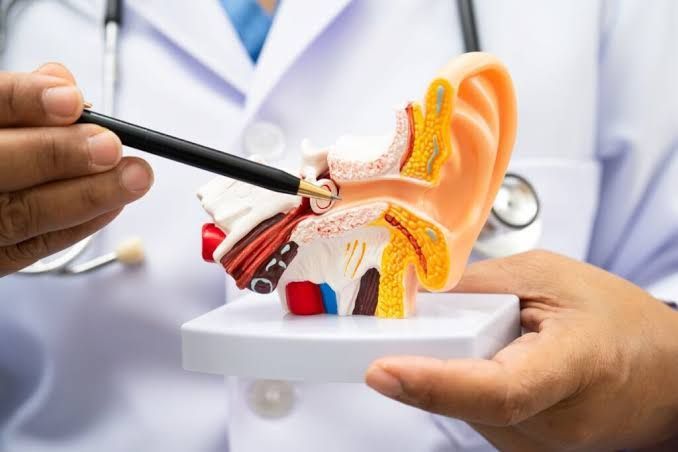
Otoscopic examination. The ear canal is examined before any removal takes place, confirming that wax is actually present and safe to remove, and ruling out other causes of blocked or muffled hearing.


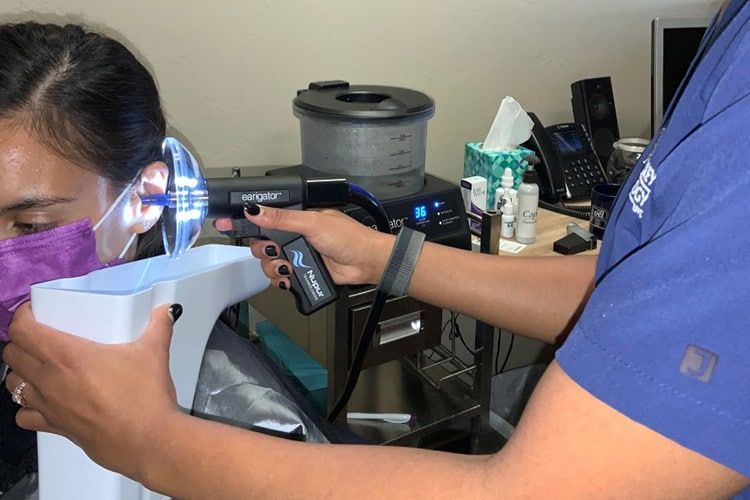
Microsuction. Wax is cleared using gentle suction under magnification, with no water and no pressure against the eardrum. Most appointments take between fifteen and thirty minutes.


Immediate relief. Most people notice a difference straight away, with sound returning to normal volume and the sense of fullness gone.


Is Same-Day Ear Wax Removal in Stanmore Always Possible?

Same-day ear wax removal in Stanmore is available for patients who need prompt relief, but it depends on what the otoscopic examination finds. If the wax is soft and accessible, it's usually cleared in the same visit. If it's heavily compacted, the audiologist may recommend softening drops for a few days first, since forcing removal before wax has softened can be uncomfortable and isn't necessary. Booking ahead where possible is still the more reliable route, but the option for same-day treatment is there for genuinely urgent cases.


Signs Your Ears May Need Attention

Earwax build-up doesn't always announce itself clearly. Common signs worth acting on include muffled hearing that hasn't cleared on its own, a persistent feeling of fullness or pressure, ringing or buzzing that started around the same time your hearing changed, and finding yourself asking people to repeat themselves more than usual. If more than one of these has been present for a couple of weeks, it's unlikely to resolve without treatment. For a fuller breakdown, see our guide to wax in ears symptoms most people spend weeks blaming on something else.


What If You Can't Get to the Clinic?

For patients in and around Stanmore who find travel difficult, whether due to mobility issues, caring responsibilities, or simply a packed schedule, mobile earwax removal brings the same otoscopic-led, microsuction-based approach directly to your home.


Common Questions About Ear Wax Removal in Stanmore

Is it painful? 

No. Microsuction shouldn't hurt. You may hear a loud rushing sound and feel a slight tickling sensation, but the procedure itself is not painful.

Do I need a GP referral? 

No referral is needed to book privately. You can arrange an appointment directly.

How long does the appointment take? 

Most appointments last between fifteen and thirty minutes, including the initial examination.

Will I need to come back? 

Most patients only need one visit. If wax is too compacted to remove safely on the day, softening drops may be recommended before a short follow-up.


Booking Your Appointment in Stanmore

Ealing Hearing Centre's Stanmore branch offers the same standard of care as the main clinic, with an otoscopic examination carried out before any wax removal begins. If your hearing hasn't felt quite right even after wax is cleared, it may be worth booking a hearing test in London to rule out anything else going on. If you're dealing with blocked or uncomfortable ears, call 0800 002 5777 or book online to arrange a consultation local to you.

By Aarti Raicha July 21, 2026
If you're dealing with blocked or uncomfortable ears, book a consultation and we'll talk you through what to expect based on your specific situation.
By Aarti Raicha June 30, 2026
According to a 2023 review published in the British Journal of General Practice , roughly 2.3 million people in the UK need professional treatment for troublesome earwax every year, making it one of the most common reasons people see a GP about their ears. Despite how common it is, a lot of people still imagine the same scene when they think about having their ears cleaned, a large metal syringe, a tilted head over a bowl, a few uncomfortable minutes, and that picture is years out of date at most reputable clinics now. If “ear syringing near me” is the search that brought you here, here’s what’s actually changed, and why. Why syringing fell out of favour That same British Journal of General Practice review notes that manual water-filled syringes are no longer recommended in the UK, largely because of the risk of damage to hearing and the legal exposure that came with it. The old method relied on a clinician judging water pressure by hand, which left very little margin for error in a part of the body as delicate as the ear canal. Even the controlled, electronic irrigation that replaced it carries a real complication rate. A study published in BJGP Open put the risk of an ear infection called otitis externa following irrigation at around 3 per cent, which sounds modest until it’s scaled up. Across England and Wales, that works out to roughly 69,000 additional cases a year. None of this makes irrigation dangerous in the way the old manual method could be, but it does explain why so many clinics, ours included, have shifted toward an approach with a lower risk profile altogether. What’s actually recommended now NICE , the body that sets clinical guidance across the NHS, recognises three accepted methods for clearing earwax: electronic irrigation, microsuction, and manual removal using small instruments. Its guidance also rules irrigation out for some patients, including those with a history of a perforated eardrum, a current ear infection, or only one working ear. That’s a real shift from the old assumption that syringing was a one-size-fits-all fix for anyone with blocked ears. Whether the right method for you is microsuction, irrigation, or something else depends on your own ear history, and a proper look inside the canal first is what actually determines that, not which service happens to be advertised. Why microsuction has become the default At Ealing Hearing Centre, microsuction is our standard approach, and the reason comes down to control. The clinician can see the ear canal under magnification for the entire procedure, using gentle suction rather than water, so there’s no flushing and no pressure against the eardrum. It also sidesteps most of the reasons irrigation gets ruled out, which is part of why it’s become the preferred option for ear wax removal in London and well beyond it, not just within private practice. For most people, the whole procedure takes around twenty minutes, and the change in hearing is immediate once the blockage clears. So is “ear syringing” still a thing? In everyday language, the term has stuck around even though the original method largely hasn’t. Call most clinics today and ask for ear syringing, and what you’ll actually be offered is either electronic irrigation or microsuction, assessed against your ear history first rather than handed out by default. Whether you’d call it ear syringing, ear cleaning, or professional ear cleaning, the underlying decision is the same one: what’s actually in the canal, and which method suits it. Anywhere still offering the old hand-syringe method without checking your history first is worth being cautious of, given what the evidence now says about it.  Getting it looked at properly Whichever approach ends up being right for your ears, that’s a decision worth making after an otoscopic examination, not before one. At Ealing Hearing Centre, we examine the ear canal before recommending anything, and where professional ear cleaning or ear wax removal in Ealing, Stanmore, or the wider London area turns out to be the right next step, it can usually be arranged the same day. Call 0800 002 5777 or book online at ealinghearing.co.uk.
By Aarti Raicha June 26, 2026
A 2023 review in the British Journal of General Practice notes that earwax build-up can happen to anyone, but it shows up more often in older adults and in people who wear hearing aids or earbuds regularly, with around 2.3 million people across the UK needing professional help for troublesome earwax in a given year. For hearing aid users specifically, that build-up doesn’t always behave the way it does for everyone else, and it’s worth understanding the difference before assuming a device has simply stopped working properly. Why hearing aids change how earwax behaves Earwax normally makes its own way out of the ear canal, helped along by jaw movement and the slow outward migration of skin cells. A hearing aid dome, mould, or receiver sitting inside that canal gets in the way of that process, partly by physically blocking the path wax would otherwise take, and partly because the ear can respond to anything sitting inside it by producing more wax than usual. Devices that place more hardware directly in the canal, such as receiver-in-canal models or custom moulds, tend to be affected by this more than behind-the-ear styles with a more open fit. Signs it’s the wax, not the device A lot of people spend weeks troubleshooting a hearing aid before considering that earwax might be the actual cause. A few signs worth paying attention to: Whistling or feedback that wasn’t there before, even at the usual volume Sound that feels muffled or distant despite fresh batteries or a full charge A dome or mould that suddenly feels tighter or less comfortable than it used to Itching or a sense of fullness around where the device sits in the ear None of these confirm earwax on their own, since hearing aid components can fail for other reasons too, but they’re a reasonable prompt to get the ear looked at properly before adjusting settings or replacing parts. Why this needs a proper look rather than a home fix Cotton buds are a bad idea for anyone, but they’re a particular risk for hearing aid users, since the canal already has less space to work with and a bud can push wax further in more quickly than it would otherwise. Softening drops can help with mild build-up, but once wax has compacted against a mould or receiver that’s been blocking its way out for a while, drops alone usually aren’t enough. An otoscopic examination is the only reliable way to tell whether the issue is earwax, debris caught around the device itself, or a genuine hardware fault, and getting that distinction right saves you from troubleshooting the wrong problem for weeks. A routine that keeps things clearer for longer Wiping the device down daily, replacing wax guards on schedule rather than waiting for them to fail, and having the ear canal checked periodically rather than only after a problem develops all make a noticeable difference over time. For patients who find getting to a clinic difficult, mobile earwax removal brings the same otoscopic-led approach to the home, which matters particularly for older hearing aid users, who are also the group most likely to be affected by build-up in the first place. Looking after both together Because Ealing Hearing Centre fits hearing aids and treats earwax build-up under one roof, we can look at both sides of the problem in the same appointment rather than sending you elsewhere for half the picture. If your hearing aids have felt less effective lately, or you’ve been searching for ear wax removal near me without realising the two issues might be connected, it’s worth finding out which one is actually responsible. Call 0800 002 5777 or book online at ealinghearing.co.uk.